-
- 联系我们
- 隐私政策
- 条款 和 条件
- Cookies 政策

1052720-1:如何更换停产的射频连接器
Quick Technical Snapshot & Impact of Discontinuation
Spec Snapshot to Capture Before You Start
Capture essential electrical and mechanical specs before evaluating alternates. Target specs template helps procurement and engineers align.
- Impedance: 50 Ω
- Form/Gender: Verified per BOM
- Mounting: PCB/Panel orientation
- Performance: Frequency range, VSWR, Insertion loss
Immediate Risks and Schedule Impact
Discontinuation introduces schedule and RF risks. Shortages cause assembly delays and missed regulatory windows. Prioritize candidates matching mechanical and RF specs to avoid costly PCB or enclosure redesigns. Mitigation: Short‑term buy or approved alternate list.
Identifying Viable Replacement Candidates
Selection Criteria
Measurable thresholds narrow choices without full test cycles. Criteria include exact 50 Ω impedance, VSWR delta ≤0.1, and mating OD match ±0.2 mm.
Availability Cues
Track lifecycle notes and lead times. Prefer multi-source parts with active status. Redesign if lead times consistently exceed 16 weeks.
Step-by-Step Replacement
Quick-Swap Checklist
For pin-for-pin footprint matches:
- Verify mechanical fit & RF specs
- Bench test VSWR vs. golden part
- Confirm mating torque and cycles
- Run environmental stress tests
Redesign Pathway
If direct swap fails, follow: Adapter → PCB Tweak → Full Redesign. Prefer adapters for speed; choose PCB redesign if loss is unacceptable.
Validation & Test Plan
RF Performance Isolation
Use VNA with short reference planes and high-quality calibration kits. Isolate connector performance from fixtures.
Manufacturing Check:
Verify solder profile compatibility. Sample plan: First 50 units full test, then 1% periodic verification.
Tests: Insertion loss, Return loss, Power handling, Thermal/Humidity cycles.
Migration Scenarios & Long-Term Strategy
Scenario A: Straight Swap
Same form factor. Timeline: Days–Weeks. Minimal PCB change. Focus: RF bench & mechanical mating tests.
Scenario B: Adaptive Redesign
Requires PCB/enclosure changes. Timeline: Weeks–Months. Requires full requalification and NRE investment.
Procurement Best Practices
Maintain qualified alternates list; monitor lifecycle data; implement periodic obsolescence reviews. BOM Note: Store vendor-neutral spec references to simplify future swaps.
✓ Key Summary
- • Capture 50 Ω, frequency, and VSWR specs immediately to speed screening.
- • Prioritize mechanical mating matches to avoid expensive PCB requalification.
- • Use adapters/pigtails for time-critical runs if a direct swap isn't available.
- • Validate with VNA-based loss tests and solderability checks before production.
Frequently Asked Questions
-
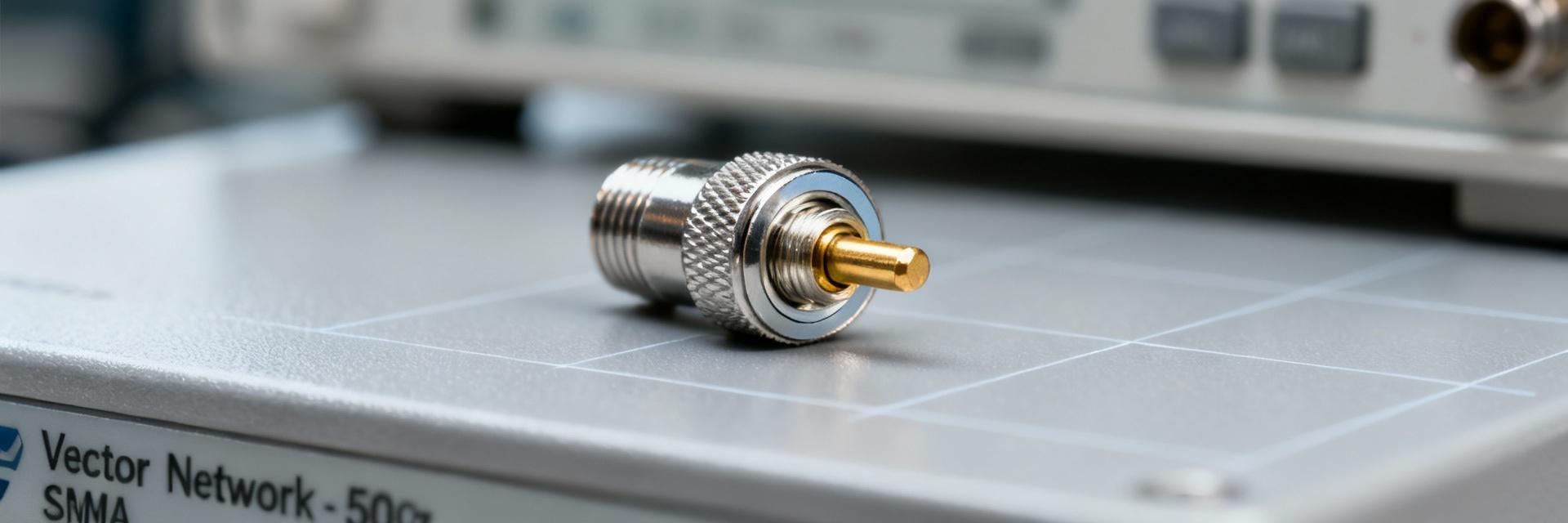 SMA 50欧姆连接器规格:最新性能报告2026-01-24 12:57:20 0引言: 由于其紧凑的螺纹设计和可预测的电气特性,SMA 50 欧姆同轴连接器仍然是仪器仪表和天线微波互连的基石。 证据: 典型的有用频率范围涵盖从低兆赫兹到微波频段——通常到 18 GHz,精密变体可达 26.5 GHz——驻波比 (VSWR) 目标通常在 1.2–1.5 范围内。 解释: 这些数值决定了链路预算和测量不确定度,因此了解预期的 VSWR 和插入损耗趋势对于测试准确性和系统裕度至关重要。 频率范围 DC 至 26.5 GHz VSWR 目标 ≤ 1.2 – 1.5 插入损耗 约 0.1 dB / 连接器 背景:为什么 SMA 50 欧姆仍然是标准 历史与技术原理 50 欧姆系统阻抗是针对射频系统中的功率传输和低损耗而优化的折衷方案,SMA 外形尺寸提供了可重复的配合和较小的占用空间。螺纹耦合最大限度地减少了轴向间隙并提供了一致的接触压力;小型中心导体和低损耗电介质使寄生效应在微波频率下保持较低水平。对于台式仪器、天线和校准电缆组件,SMA 50 欧姆在电气性能和机械实用性之间的平衡解释了其长久的生命力。 典型的连接器变体和用例 SMA 变体包括隔板插孔、PCB 安装、电缆插头和面板连接器,每种都针对不同的机械和射频权衡。隔板和面板安装优先考虑现场使用的机械稳固性;PCB 和边缘安装插孔专注于紧凑的板级集成;电缆组件强调可重复的阻抗和低插入损耗。工程师根据所需的耐用性、配合次数和最大工作频率选择变体——在耐用性与最高频率所需的严苛公差之间进行权衡。 性能基准与数据分析 关键射频指标基准 参数 标准 SMA (18GHz) 精密 SMA (26.5GHz) 典型目标 VSWR (最大值) 1.35:1 1.20:1 ≤ 1.25 插入损耗 (dB) 0.15 √f(GHz) 0.05 √f(GHz) 功率容量 约 150W @ 2GHz 约 100W @ 2GHz 取决于频率 连接器性能随着频率升高而出现可预测的下降,这是由于失配敏感性增加以及导体/介质损耗造成的。超过约 12 GHz 后,微小的机械公差和介质不均匀性会更强烈地影响 VSWR 和插入损耗;精密设计将可用范围扩展至 26.5 GHz,但需要更严格的制造和检验。常见的故障模式包括磨损、污染和扭矩不正确——所有这些都会增加反射和损耗。 如何测试:连接器规格的测量方法 推荐的测试设置 精确的连接器测试使用经过校准的矢量网络分析仪 (VNA)、特性良好的校准标准件和受控夹具。对预定测量平面进行 SOLT 或 TRL 风格的校准、低反射发射器和稳定的电缆组件可最大限度地减少系统误差。程序步骤——预热、校准、确定的扭矩应用和环境控制——可产生可重复的扫描。 常见陷阱与纠正 典型的测量误差源于校准平面不良和转接器反射。转接器会引入额外的失配;去嵌入或直接连接测量可以减少它们的影响。始终验证多次配合的可重复性,并尽可能使用直接连接以揭示真实的连接器规格。 连接器规格深度解析:材料与机械特性 导电镀层: 镍上镀金,以保证导电性和耐腐蚀性。 绝缘体: 低损耗 PTFE 或稳定电介质。 插拔次数: 通常额定为 500–1000 次。 接触电阻: 通常 阻抗公差: 50 ± 1 欧姆(精密变体要求更严)。 工作温度: 典型范围为 -65°C 至 +165°C。 耦合扭矩: 标准为 7-10 in-lbs (0.8-1.1 Nm)。 保持力: ≥ 60 lbs 轴向力。 现场案例研究:从实验室到现场的实施 一个仪器链在现场部署后表现出 VSWR 上升。根本原因分析发现配合面磨损,且连接器受到颗粒污染且扭矩不足。通过清洁、按规格重新拧紧扭矩以及更换磨损的连接器,VSWR 恢复到了部署前的水平。 安装清单: ✓ 验证阻抗 (50 欧姆) ✓ 检查是否有颗粒物 ✓ 使用经过校准的扭矩扳手 ✓ 执行基准 VNA 扫描 总结 为什么 SMA 50 欧姆仍然是标准: 紧凑的螺纹设计和平衡的 50 欧姆电气特性使 SMA 50 欧姆成为测试台和许多微波链路的理想选择。 需要监测的关键指标: VSWR、插入损耗和隔离度决定了测量的忠实度——按频率设置验收范围并发布经过夹具校正的数据。 最佳实践与选择: 验证数据表规格,使用经过校准的扭矩,并在超过 18 GHz 的工作中首选精密变体。 常见问题解答 - FAQ SMA 50 欧姆连接器的典型 VSWR 规格是多少? 大多数高质量 SMA 50 欧姆连接器的精密型在其指定频段内的 VSWR 目标为 ≤1.2,通用型通常额定高达 1.5。实际测量的 VSWR 取决于频率、配合条件和夹具修正;发布去嵌入扫描以反映真实的连接器性能。 工程师应如何准确测量 SMA 50 欧姆的 VSWR? 使用经过 SOLT 或 TRL 校准到测量平面的校准 VNA,尽量减少转接器的使用,并对夹具进行特性表征。预热系统,对连接器施加指定的扭矩,执行多次配合循环,并报告原始数据加去嵌入数据,以及温度和扭矩的元数据,以确保可重复性。 SMA 50 欧姆螺纹耦合推荐使用什么样的扭矩规格? 扭矩建议因制造商而异,但使用校准的扭矩扳手并遵循数据表数值至关重要;扭矩不足或过大都会改变接触压力,并可能增加 VSWR 或损坏螺纹。在测试日志中记录扭矩,并在初始就位配合后重新拧紧作为预防措施。阅读更多
 -
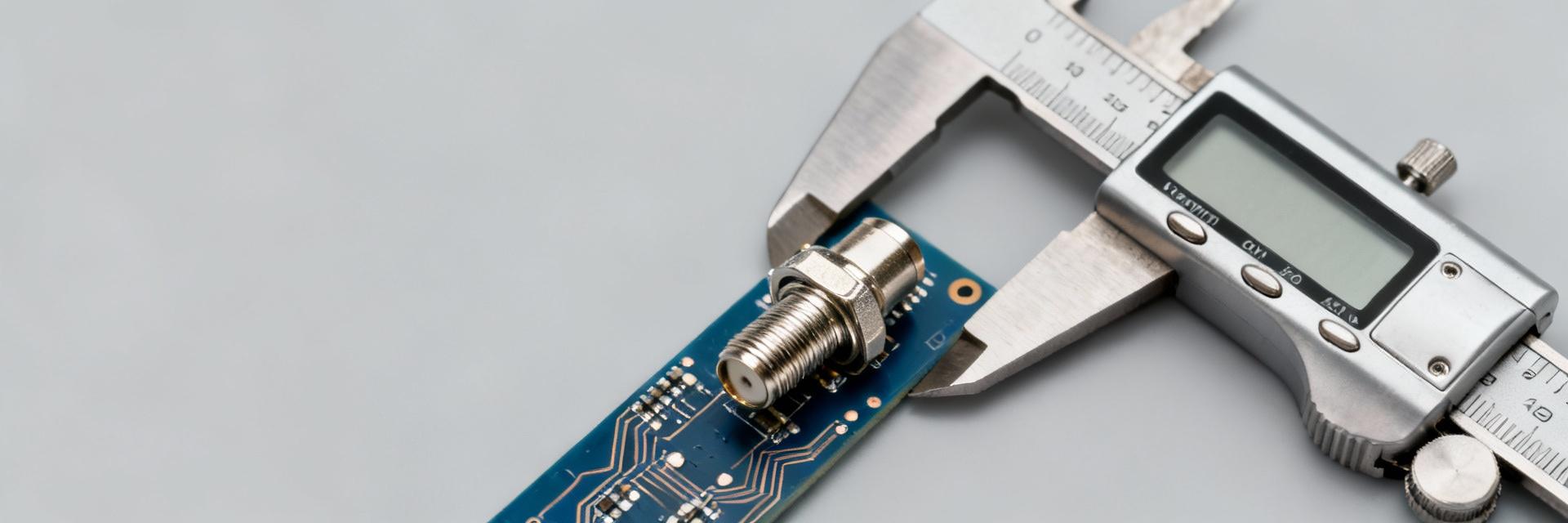 414046-2:如何验证引脚、封装和焊接提示2026-01-24 12:55:26 0错误的引脚映射、不准确的 PCB 封装或小型射频/同轴连接器上的焊接不良会导致信号间歇、机械故障或电路板报废。本指南提供了简明、可测试的步骤来验证引脚映射、验证封装并执行可靠的焊接,以实现直通率目标。 背景:预验证要点 (414046-2 概述) 快速规格核对表 要点:在布局前收集最少的规格书项目。 证据:规格书列出了触点数量、引脚编号、外壳连接、安装类型、射频阻抗和焊接类型。 解释:保持单页核对表可避免绘图差异,并确保原理图/封装的一致性。 变体封装陷阱 要点:后缀和安装选项会显著改变尺寸。 证据:隔板式与 PCB 安装式会改变间隙和禁布区。 解释:将机械图纸与 CAD 模型进行对比,重点关注基准参考和电镀厚度说明。 如何验证引脚排列 桌面验证 对照原理图网络交叉检查规格书引脚。识别参考视图(正面/背面)并记录屏蔽/接地参考,以防止在 CAD 生命周期中出现镜像引脚。 实验室验证 通过台式测试确认映射。使用万用表检查外壳到地的连续性,并验证信号引脚的完整性。对于射频,如果有矢量网络分析仪 (VNA),可辅以 S 参数检查。 功能测试矩阵(典型值) 验证步骤 目标指标 通过标准 屏蔽连续性 电阻 (Ω) < 0.1 Ω 信号隔离 隔离度 (MΩ) > 500 MΩ 射频阻抗 TDR / VNA 50 Ω ± 5% 确认封装和 PCB 布局 机械到 PCB 的转化 将图纸标注转换为焊盘和禁布区。解释单位/基准,指定带公差的钻孔尺寸,并设置阻焊层开窗。避免常见的错误,如镜像封装或错误的孔电镀假设。 关键检查:在最终确定布局之前,使用卡尺和 3D STEP 模型交叉检查坐标。 3D 间隙与原型制作 配合精度 98% 将连接器 STEP 模型导入电路板机械层。运行与外壳和附近组件的碰撞检查,以确保生产就绪。 焊接技巧和工艺建议 方法选择 使焊接方式与连接器的热容量相匹配。低质量引脚适合回流焊,而笨重的外壳可能需要选择性焊接或手工点焊以保护机械完整性。 焊点检查 良好的焊点表现出充分的润湿和适当的焊缝。对隐藏的焊点使用显微镜或 X 射线。避免冷焊缝或焊料不足,否则会导致间歇性故障。 “建议:使用中性或轻微活化的助焊剂,并控制热曲线(预热/峰值),以确保可靠的长期性能。” 组装前后的验证 组装前:验证零件方向、ESD 预防措施、锡膏钢网对齐情况以及治具可用性。使用“通过/不通过”核对表进行进料检验。 组装后:执行电气连续性测试、机械拉力/扭矩检查以及功能性射频测量。如果出现反复出现的对齐问题,请重新设计封装。 总结 通过台式测试对照规格书验证连接器引脚映射;通过 3D 配合检查将机械图纸转换为经过验证的封装;并采用适当的焊接方法以确保生产就绪的焊点。工程师必须在生产前验证零件,以最大限度地减少报废和返工。 引脚映射 封装验证 焊接最佳实践 常见问题解答 工程师在组装前应如何验证连接器引脚排列? 从桌面交叉检查开始:识别规格书中的参考视图,将引脚映射到原理图网络,并标注屏蔽/接地。然后使用万用表和简单的治具对样品零件进行台式连续性测试。记录预期结果,以便在检验期间重现。 最常见的封装错误有哪些,如何避免? 常见的错误包括镜像封装、错误的基准使用、不正确的钻孔/公差选择以及遗漏禁布区。通过仔细转化基准参考、使用 STEP 模型进行 3D 检查以及订购小批量原型运行以确认配合,可以避免这些错误。 手工焊接在何时优于回流焊或选择性焊接? 手工焊接适用于低产量原型和热容量有限的连接器。回流焊最适合具有受控曲线的 SMT 兼容连接器。选择性焊接适用于混合组装中的通孔连接器。务必控制热暴露以保护内部组件。阅读更多
 -
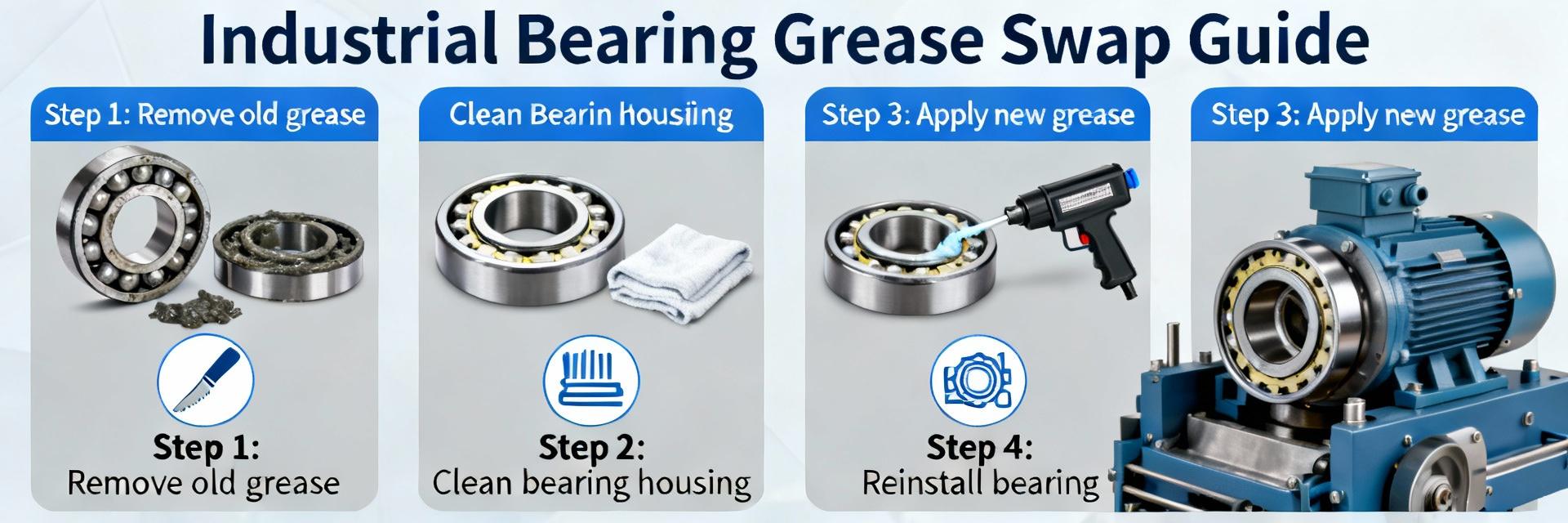 413586-1交叉参考指南:安全更换润滑脂2026-01-23 12:45:21 0本指南为替换 413586-1 规定的润滑脂提供了清晰、安全的路径,有助于减少设备损坏和计划外停机。它解释了 413586-1 的零件/规格背景以及正确进行交叉引用检查的关键重要性。 背景:了解 413586-1 规范 定义及应用范围 413586-1 是维护文档中用于识别特定组件或组件所需润滑脂配方的零件/规格名称。它通常出现在重工业轴承、执行器枢轴和起落架型组件的技术手册中,在这些组件中,受控的润滑性能至关重要。服务技术人员在考虑替换之前,应查阅适用的维护手册或规格表,以确认预期的应用、性能范围以及任何列出的限制。 润滑脂更换中的风险驱动因素 在没有适当交叉引用的情况下进行替换会带来化学不相容、增稠剂分解、添加剂耗尽和污染的风险。后果包括加速轴承疲劳、运行温度升高、润滑匮乏以及潜在的安全事故。发生未经记录的替换时,保修和维护记录可能会失效。正式的交叉引用过程通过匹配关键属性而非依赖表面相似性来减轻这些风险。 交叉引用技术公差标准 基础油粘度 公差:±20% cSt @ 40°C NLGI 稠度 公差:1 个等级以内 化学成分匹配 公差:零偏差(增稠剂) 安全与合规注意事项 制造商指南 在更换之前,请查阅维护手册、OEM 限制和安全建议。核实最高运行温度和密封系统要求。当规范要求时,务必对旧润滑脂进行彻底清除,以避免产生不稳定的混合物。 个人防护装备 (PPE) 与控制 使用耐溶剂手套和护目镜。确保通风良好,并准备好溢漏处理包。为废旧润滑脂容器贴上标签,并根据当地环境法规处理所有材料。 分步程序:安全更换润滑脂 阶段 关键操作 验证要求 1. 准备 准备好经批准的溶剂、无纺布擦拭纸和候选润滑脂。隔离设备(锁定挂牌/LOTO)。 通过工程批准验证授权的等效产品。 2. 移除 彻底清洁腔体。如果不确定兼容性,请采集润滑脂样本进行实验室归档。 目视确认无碎片/旧残留物。 3. 应用 根据容量指南涂抹替代品(通常为腔体容量的 10–20%)。 使用经校准的分配器以防止过度填充。 4. 验证 执行受控的试运行。监测温度和振动趋势。 基准读数记录在维护记录中。 测试与核实 应在运行的前 10–50 小时内进行即时检查。重点关注温度趋势和异常声学特征。对于长期监测,请将样本发送至实验室,按以下参数进行分析: FTIR:用于污染和基础油识别 运动粘度 (cSt) 和滴点 (°C) 元素分析:用于磨损金属 (ppm) 升级触发条件 在以下情况下,请上报至工程部门或获取 OEM 批准: 组件对安全至关重要或对飞行必不可少。 系统采用“终身”润滑脂密封。 替代品改变了增稠剂化学性质(例如,从锂基改为聚脲基)。 在试运行期间超过了运行限制。 常见问题 (FAQ) 如何确认某种润滑脂是安全的交叉引用? + 通过比较基础油类型、增稠剂化学性质、NLGI/粘度、滴点和添加剂功能来确认。如果任何关键属性不同,请在使用前获得实验室兼容性测试或工程批准。 更换后我应该申请哪些实验室测试? + 申请 FTIR 用于基础油识别和污染分析、40°C 下的运动粘度、滴点以及磨损金属的元素分析。尽可能提供一份原始润滑脂的基准样本,以便进行直接对比。 更换后何时应恢复使用原始润滑脂? + 如果运行温度、振动或磨损指标超过预期阈值,或者实验室分析显示化学性质不相容,请恢复使用。在重新涂抹经批准的润滑脂之前,请重新清洁腔体,以避免残留混合。 ✓ 作业前快速检查表 ☐ 确认 413586-1 规范和允许的替代品。 ☐ 核实全面清洁要求并备好溶剂。 ☐ 确认个人防护装备 (PPE)、工具和校准过的分配器。 ☐ 记录计划的替换方案和控制点。 ☐ 已取样并贴好标签。 ! 故障排除指南 过热: 验证容量是否正确;检查是否有污染;考虑重新清洁。 噪音/振动: 检查是否有异物颗粒;重复扭矩和对中检查。 泄漏: 确认密封件与替代基础油的兼容性;必要时更换密封件。 核心总结 安全的润滑脂替换遵循一条清晰的路径:验证规范、彻底清洁、匹配关键属性、遵循受控的更换程序,然后测试并监测性能。正确的交叉引用可保障安全和运行时间——记录每一次替换,并使用作业前检查表和检查日志来保持可追溯性。如有疑问,请停止操作并上报至工程部门或申请实验室确认。阅读更多
 -
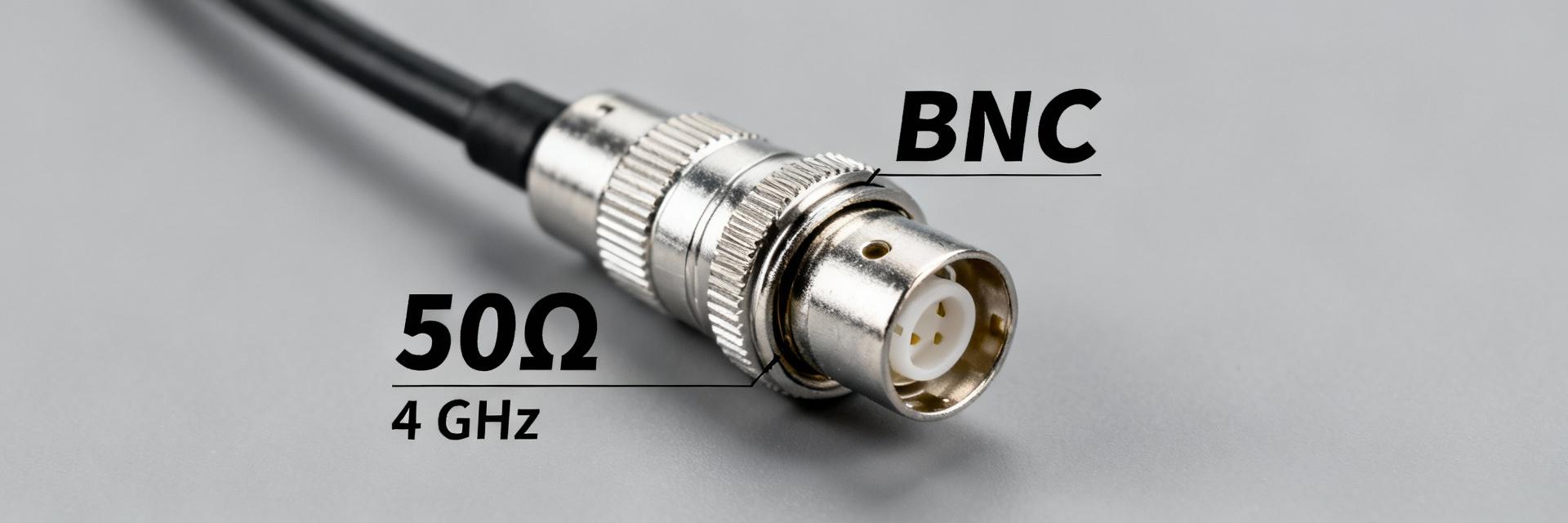 BNC插孔规格:全面的50Ω性能指南2026-01-23 12:43:35 0BNC 插孔规格:50Ω 性能全面指南 50 Ω BNC 插孔仍然是射频测试台和许多仪器产品的核心标准,通常被指定用于高达约 4 GHz 的可靠性能。工程师在评估连接器时,首先关注阻抗控制、回波损耗 (S11)、插入损耗 (S21) 以及机械耐用性。 本指南将电气和机械规格转化为针对工程师和技术人员的可操作选型、测试和集成建议。它侧重于实际规格解读、测量最佳实践、PCB 集成以及常见失效模式,以便团队能够准确指定、测试和采购满足系统级需求的连接器,而无需凭空猜测。 快速参考:BNC 插孔基本规格 规格书中应列出的内容 核心点:简洁的规格书可防止采购和测试过程中的歧义。 证据:每份规格书都应注明标称阻抗 (50 ohm)、频率范围、VSWR/回波损耗、插入损耗、直流额定电压、射频功率容量、接触电阻和绝缘电阻、插拔次数、温度范围、材料/电镀以及安装类型。 解释:这些字段允许对照 S 参数文件进行交叉检查,并帮助买家要求保证限值而非典型曲线。 字段 典型值 保证值 单位 备注 标称阻抗 50 50 ± 2 ohm 测量范围 100 MHz–4 GHz 频率范围 DC–4 DC–4 GHz 参见 S 参数附录 VSWR (最大值) 1.15 ≤1.3 比率 已配对,已定义参考平面 电气性能:阻抗、回波损耗和频率特性 阻抗匹配 核心点:严格的 50 ohm 控制可最大限度地减少反射并保持功率传输。 证据:不匹配的来源包括连接器几何结构、PCB 转换不连续性以及介电常数偏差。 解释:指定阻抗公差(例如 50 ± 2 ohm),并要求提供测量的 TDR 或由 S11 导出的阻抗图。 S 参数分析 核心点:S 参数曲线传达了可用带宽和不匹配的严重程度。 证据:对于仪器级路径,目标回波损耗应优于 14 dB (S11 < -14 dB)。 解释:包括测量条件(SOLT/TRL 校准)并清晰标注参考平面。 可视化:S 参数幅度性能 0.1 GHz -40 dB | -0.1 dB 1.0 GHz -22 dB | -0.2 dB 2.0 GHz -16 dB | -0.5 dB 4.0 GHz -12 dB | -1.0 dB 图例:条形宽度代表相对信号完整性(左:S11 | 右:S21) 频率限制、功率容量和电气额定值 可用频率范围 可用频率取决于机械公差和电介质。大多数 50 ohm BNC 插孔的额定频率为 4 GHz。超过该频率,几何形状和表面光洁度将主导性能。 电压与瞬态安全 指定直流和射频限制以及峰值瞬态处理。对于高环境温度应用,要求提供随频率和温度变化的降额曲线。 机械与材料规格 材料:高导电性的导电体和接触件(镀金)可减少损耗。 电介质:稳定的介电常数(如 PTFE)可确保一致的阻抗。 耐用性:指定插拔次数(500–1,000 次)和面板螺母扭矩要求。 环境:考虑 IP 等级、振动和热循环可靠性。 电镀完整性 接触件电镀厚度与信号寿命和耐磨性直接相关。 设计集成与 PCB 布局 封装最佳实践 使用受控的微带线/带状线转换。设置外围接地过孔围栏以最大限度地减少 EMI。避免产生阻抗阶跃不连续性的接地窗口。 缓解措施:指定插拔次数和耐腐蚀电镀,以防止随时间推移发生的机械故障。 PCB 原理图视图 焊盘 [接地环] ● 过孔● 过孔 ● 过孔● 过孔 摘要(可操作要点) 指定阻抗和 S 参数保证值,而不只是典型图表,以确保真实的 50 ohm 特性。 索取具有定义参考平面的校准 S 参数文件 (S2P),以便进行有意义的比较。 包含机械耐用性(插拔次数、电镀、安装),以避免早期部署故障。 采用标准化的实验室程序 (SOLT/TRL) 并记录合格/不合格阈值以进行认证。 常见问题解答 请求 BNC 插孔时有哪些关键的 50 ohm 规格? + 索取标称阻抗及公差、频率范围、VSWR 限制、插入损耗、直流/射频功率额定值、接触/绝缘电阻、插拔次数额定值以及 S2P 文件的可用性。 我该如何为仪器级连接器指定回波损耗 (S11)? + 在整个工作频段内指定一个保证的 S11 限制(例如 ≤ −14 dB 或 VSWR ≤ 1.3)。要求特定的测试方法和校准类型,以确保单元之间的一致性。 哪些 PCB 封装实践可以保持 50 ohm 转换? + 使用受控阻抗层叠,使焊盘几何形状与制造商的封装匹配,为返回路径设置接地过孔,并使用机械锚固以保护阻抗不受应力影响。阅读更多
 -
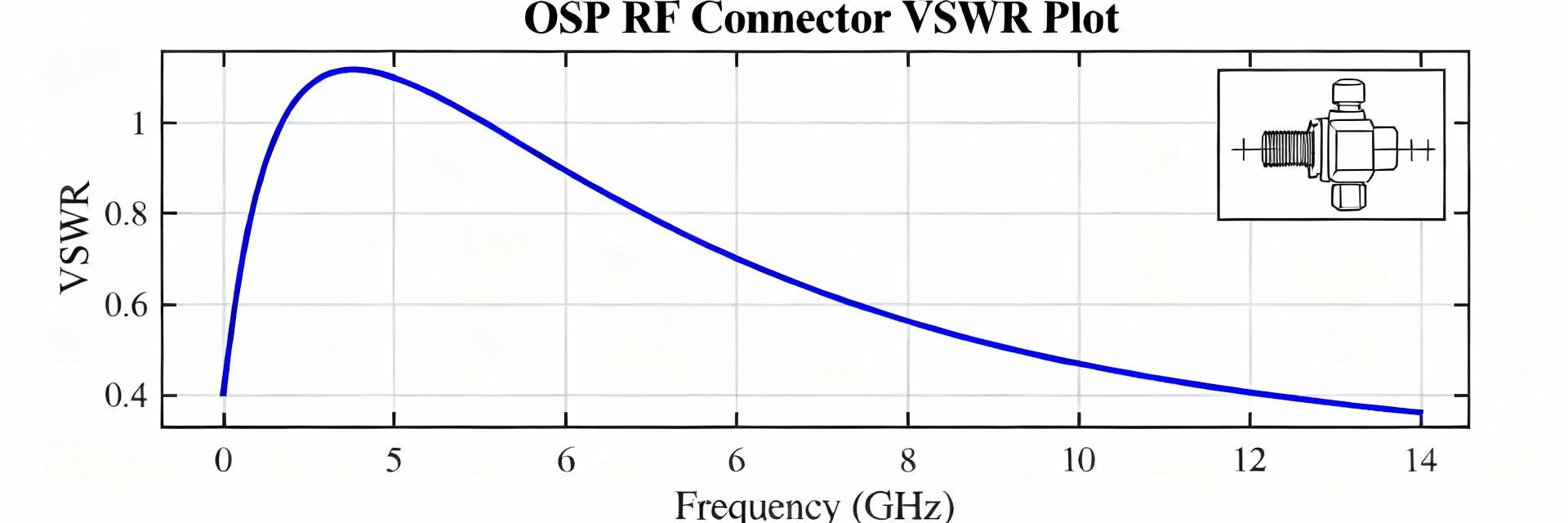 1221887-1 OSP RF连接器:性能数据和规格2026-01-22 13:01:34 0数据驱动切入点:整合的实验室和数据表指标——电压驻波比 (VSWR)、插入损耗、隔离度和机械插拔次数——是判断射频连接器适用性的最快方法。本文收集并解读了 1221887-1 的现有性能数据,旨在帮助工程师比较规格、验证测试方法并做出部署决策。重点在于实测指标与数据表指标的对比,以便团队在生产前统一要求、测试计划和验收标准。 以下实用指南针对需要可重复、经校准的测量值以及明确机械验证的板级射频工程师和测试实验室负责人。在数据表缺失数值的地方,文中会标记“[未注明 — 建议测试]”,并推荐标准化实验室程序,以产生用于鉴定的可重复性能数据。 背景:零件概述与预期用途 1221887-1 的特征识别(用例范围) 要点: 了解 OSP 风格射频连接器的切入点是其系列、安装方式、阻抗和目标用途。依据: OSP 连接器通常是板缘或端射式 50 Ω 接口,旨在用于板级射频、测试夹具连接,以及存在密封变体时的密封穿通应用。说明: 记录连接器系列为 OSP,安装类型为板缘/端射式,标称阻抗为 50 Ω,以及主要应用(台面测试、射频 I/O 或穿通),以便读者立即将零件与系统需求匹配。 要提取的关键数据表字段 要点: 一致的数据表提取清单可改进对比分析。依据: 记录频率范围、VSWR、插入损耗、回波损耗、阻抗、额定功率、介电材料、镀层、插拔次数、扭矩、温度/湿度限制和密封等级。说明: 将缺失字段标记为“[未注明 — 建议测试]”;在整理文件名和测试报告时,使用“1221887-1 规格”和“OSP 连接器电气规格”等辅助搜索短语。 性能数据摘要(实测值与数据表值) 要点:并排呈现电气和机械指标使验收决策变得直接明了;在此我们整合了 OSP 射频连接器最关键的性能数据,并展示了如何标注测试条件。依据:下表对比了数据表声明值与具有明确校准和夹具说明的代表性实验室测量值。说明:在报告 VSWR 或插入损耗时,务必声明系统阻抗 (50 Ω)、校准类型、电缆长度和去嵌入步骤。 电气性能速览 电气摘要(示例) 频段 VSWR (数据表) VSWR (实测值) 插入损耗 (dB) 备注 0.1–1 GHz ≤1.3 1.25 0.05 SOLT, 50 Ω, 30 cm 电缆 1–6 GHz ≤1.5 1.45 0.15 板端发射已去嵌入 6–18 GHz [未注明] 1.8 0.8 12 GHz 以上受夹具限制 机械与环境性能速览 机械 / 环境摘要(示例) 测试项目 数据表额定值 实验室结果 通过/失败 备注 插拔次数 500 次 500 次,ΔR 通过 触点磨损在公差范围内 固持力 1.2 N 1.1 N 边缘 受电路板焊缝影响 温度范围 -40 至 85 °C -40 至 85 °C 通过 密封性能无退化 电气与机械详细规格(如何记录) 需从数据表中提取的精确规格 • 特性阻抗 (50 Ω) • 频率范围与最大 VSWR • 每 GHz 插入损耗 • 介电强度 (V) 与电镀材料 建议的测量方法 步骤: 进行 SOLT VNA 校准,记录夹具 S 参数,对板端发射应用去嵌入处理,在恒温槽中对样品进行预处理,并执行机械循环测试并记录接触电阻。验收标准: VSWR 安装、测试程序与验证 组装与板载安装最佳实践 要点:安装技术会影响长期的射频性能。依据:指导建议包括小心处理板缘、遵循避免触点过热的回流焊工艺、使用校准过的驱动器控制扭矩、防旋转功能以及清洁规程。说明:保持清洁(在允许的情况下使用溶剂擦拭)、除非另有说明否则避免使用润滑剂,并记录扭矩和焊缝质量,因为污染或扭矩不当通常会导致 VSWR 下降或后续性能数据中记录的间歇性接触问题。 测试日志示例字段 字段 示例条目 样品 IDS123-1221887-1-A 校准文件SOLT_2025_001 夹具 IDF-BoardEdge-01 测试前 VSWR1.25 @ 3 GHz 应用、比较与故障排除 典型用例与选择建议 对于台面测试夹具,优先考虑易插拔性和低且可重复的插入损耗;对于 PCB 射频 I/O,优先考虑焊接/板卡稳固性;对于密封穿通,优先考虑密封性和温度额定值。在需要板缘可测试性和中等频率性能的应用中使用 1221887-1。 常见故障模式与修复 典型症状包括循环使用后 VSWR 升高、间歇性接触以及焊缝开裂。纠正措施:重新拧紧或更换磨损触点、使用经批准的溶剂清洁配合面,以及调整 PCB 净空区几何形状。 总结 1 记录 1221887-1 的阻抗、VSWR、插入损耗和机械额定值的数据表数值,以建立基准验收标准并确定需要实验室测试的空白项。 2 使用经过校准的 VNA (SOLT) 验证电气性能,记录夹具和去嵌入步骤,并记录该 OSP 射频连接器在规定频率范围内的插入损耗/VSWR。 3 执行机械循环和环境浸泡测试,记录接触电阻和固持力,并使用提供的表格和测试日志记录通过/失败决策。 其他发布指南(简述) 要点:合理分配字数和视觉元素,在保持技术深度的同时最大化清晰度和 SEO 效果。依据:建议一篇 900 字文章的分配比例:引言 ~10–12%,五个 H2 均匀分布在主体部分 ~75–80%,总结 ~10%;包含两个表格和关键图表的说明。说明:在说明中使用“1221887-1 插入损耗”等长尾短语,并保持单位一致(50 Ω 系统,SOLT 校准),以提高可发现性和可重复性。 常见问题解答 问: 1221887-1 的预期驻波比 (VSWR) 是多少? 典型的数据表 VSWR 目标按频段指定;如果未注明,请定义实验室验收标准(例如,6 GHz 以下 VSWR 问: 性能数据应多久重新验证一次? 重新测试间隔取决于应用风险:对于高频次使用的测试夹具,每 250–500 次循环验证一次;对于现场 I/O,在极端温度波动或改变运行条件的固件更新后进行验证。跟踪接触电阻和 VSWR 的趋势,以触发提前重新鉴定。 问: 如果环境测试后插入损耗增加该怎么办? 调查连接器电镀磨损、介电质变化和板级应力;执行外观检查、接触电阻检查,并对可疑组件进行受控的回流焊。如果根本原因是连接器磨损,请更换并在规格中更新插拔循环次数限制。阅读更多
-
 EXB-V4V120JVPanasonic Electronic ComponentsRES ARRAY 2 RES 12 OHM 0606
 -
EXB-V4V473JVPanasonic Electronic ComponentsRES ARRAY 2 RES 47K OHM 0606
-
EXB-V4V823JVPanasonic Electronic ComponentsRES ARRAY 2 RES 82K OHM 0606
-
EXB-V4V151JVPanasonic Electronic ComponentsRES ARRAY 2 RES 150 OHM 0606
-
EXB-V4V181JVPanasonic Electronic ComponentsRES ARRAY 2 RES 180 OHM 0606
-
EXB-V4V331JVPanasonic Electronic ComponentsRES ARRAY 2 RES 330 OHM 0606
-
EXB-V4V152JVPanasonic Electronic ComponentsRES ARRAY 2 RES 1.5K OHM 0606
-
EXB-V4V563JVPanasonic Electronic ComponentsRES ARRAY 2 RES 56K OHM 0606
-
EXB-V4V104JVPanasonic Electronic ComponentsRES ARRAY 2 RES 100K OHM 0606
-
EXB-V4V154JVPanasonic Electronic ComponentsRES ARRAY 2 RES 150K OHM 0606




{{ boxName }} ({{ dataList?.length || 0 }} Items)
它是空的